
Scotland Travel Adapters
Type G, Shaver & Type D • 230 volts • 50 Hz
Edinburgh's annual Festival Fringe, held every August, is recognized by Guinness World Records as the largest performing arts festival in the world, with thousands of shows staged across the Scottish capital each year.
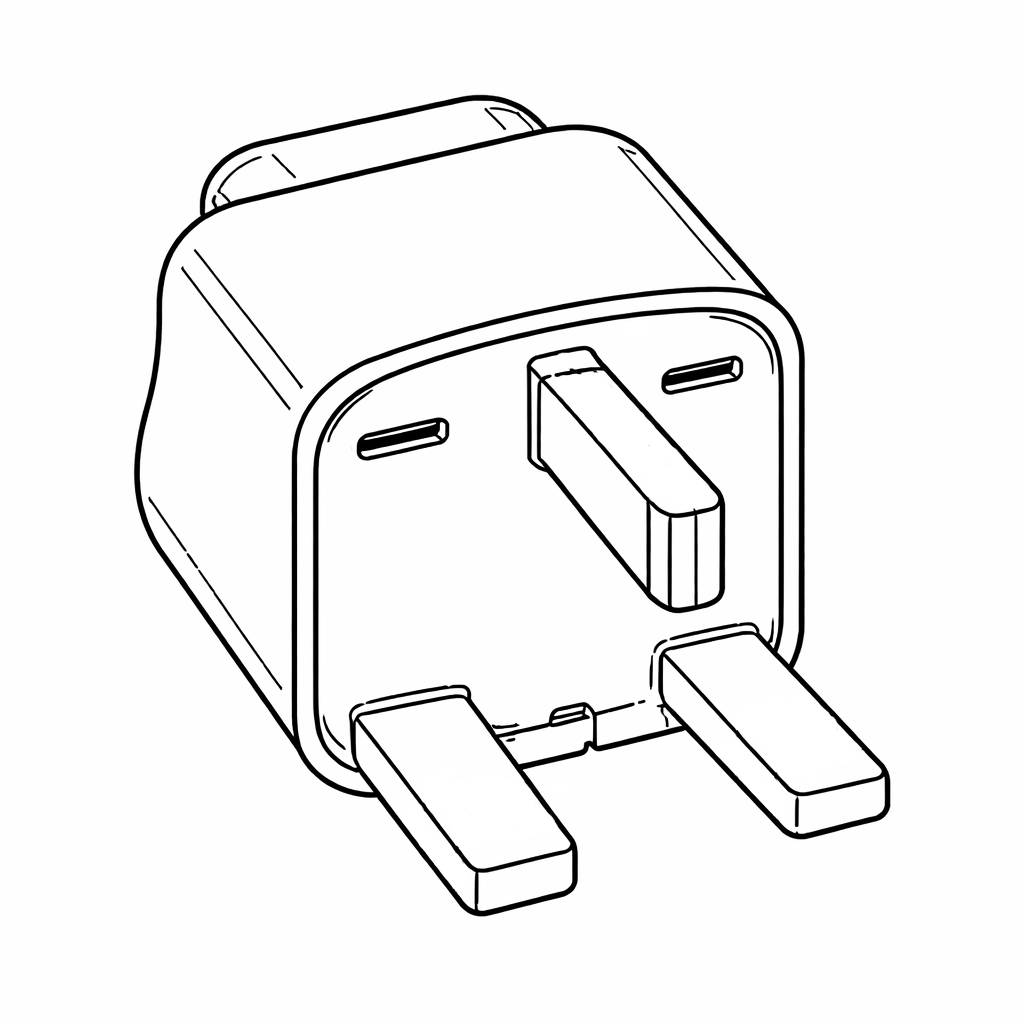
Scotland is part of the United Kingdom, occupying the northern third of the island of Great Britain, and shares the UK's electrical standards. Scotland uses mains electricity supplied at 230 volts at 50 Hz. The primary standard is Type G (BS 1363), a three-pin plug with rectangular blades found in nearly every home and business. Bathrooms also have low-power shaver sockets (BS 4573) built for the small British shaver plug; many units' contacts are also shaped to take the two-pin Europlug, though that isn't the recommended fit.
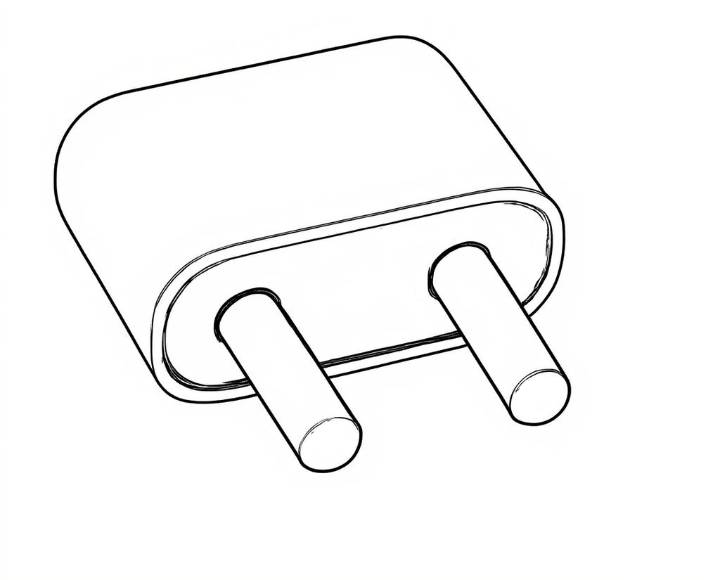
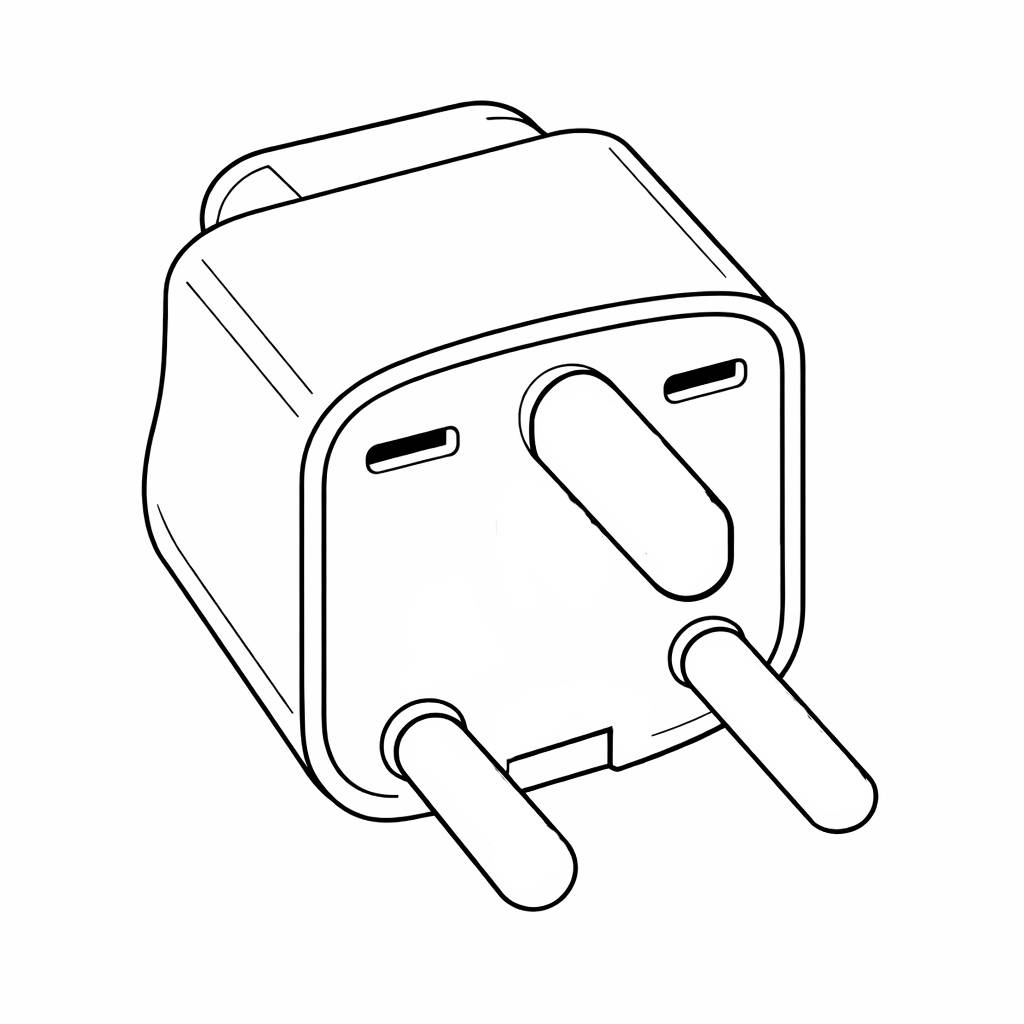
Legacy Type D (BS 546) round-pin sockets still appear in some older Scottish properties, mainly on switched lighting circuits for table and floor lamps rather than general wall power. Travelers from regions that use different plug types need a travel adapter for Type G; equipment that is not dual voltage requires an appropriate voltage converter.
What Plug Type Does Scotland Use?
Click image for adapter details
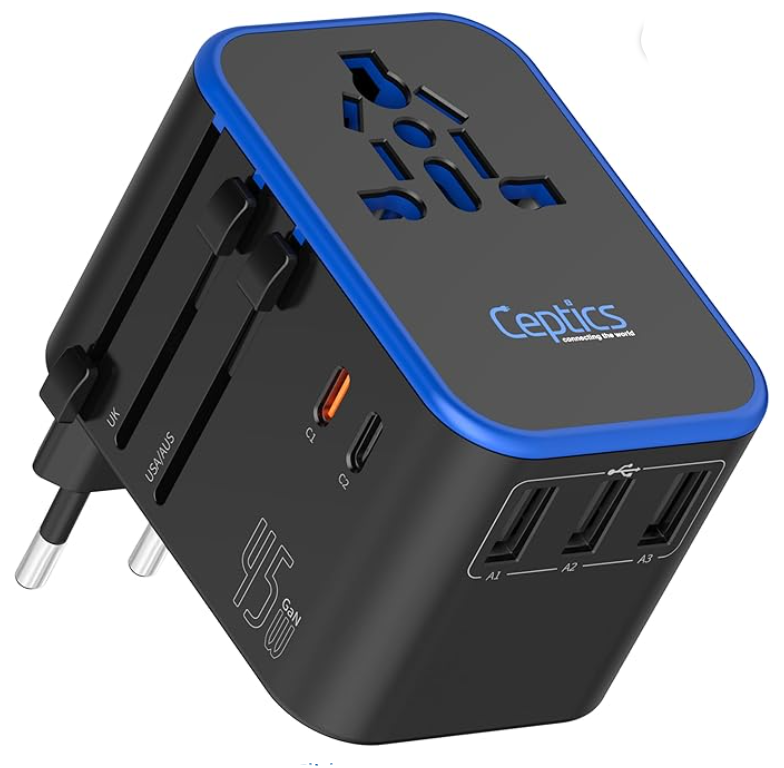
Adapter may also be spelled adaptor. Converter may be spelled convertor. Grounded may also be described as earthed.
Scotland uses Type G, British shaver sockets, and legacy Type D lighting-circuit sockets. The Type G prong on the adapter above covers the outlets used to charge devices and power everyday electronics. Shaver sockets are built for the British shaver plug. On many units the same two contacts are shaped to also take the narrower two-pin Europlug, but that isn't the recommended fit. A US-style flat-pin plug does not fit a British shaver socket at all; travelers with a US-style device should plug into a regular Type G outlet with the adapter above instead of the shaver socket. Legacy Type D sockets are wired into specific lighting circuits for lamps rather than general power, so travelers have no everyday reason to plug into them.
Travel WiFi
Stay connected in 130+ countries without a SIM, contract, or roaming fees.
View Globlinker →Event Tickets
Book sports, concert, and live-event tickets with flights and hotels.
View BookSeats →Scotland Travel Adapter FAQ
Do I need a voltage converter for Scotland?
Only if your device isn't dual voltage. Most phones, laptops, and cameras are rated for 100–240V and only need a plug adapter for Scotland's outlets. High-wattage single-voltage appliances, like hair dryers, straighteners, or some CPAP machines, need a voltage converter, not just an adapter. Check the device label for its voltage rating before you travel.
Can I use my US phone charger in Scotland?
Phone and laptop chargers use a universal 100–240V power supply, so yours will work on Scotland's 230V supply without a separate converter. You'll still need a plug adapter, since the charger's US plug won't physically fit Scotland's outlets.
Are Scotland and US power outlets interchangeable?
No. Scotland uses Type G outlets and the US uses Type A/B. The plug shapes are different, and Scotland runs at 230V compared to 120V in the US, so a plug adapter alone is only safe for devices that already support both voltages.
Does Scotland use more than one plug type?
Yes. Type G (BS 1363) is the standard plug for virtually all general power use. Bathrooms also have separate low-power shaver sockets (BS 4573) for electric razors, and some older properties still have legacy Type D (BS 546) round-pin sockets on switched lighting circuits for lamps. Travelers only need a Type G adapter for everyday devices.